Kobe, Sake, and the Longest Bridge in the World
Living in Hyogo
Japan's most cosmopolitan port city meets UNESCO-listed castles, centuries-old sake breweries, and an island that connects Kansai to Shikoku.
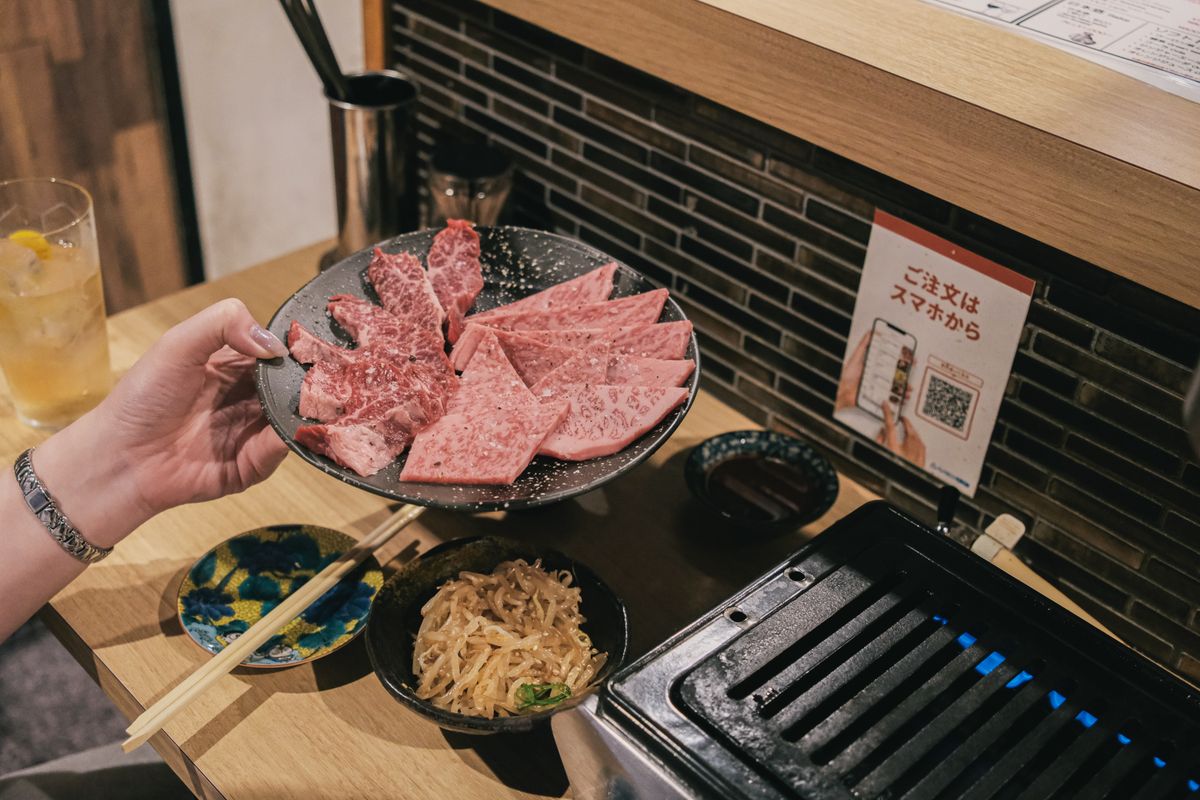
Tajima-gyu cattle raised in Hyogo — the world's most famous wagyu, strictly certified and only available in the prefecture or certified restaurants nationwide.
Japan's finest surviving feudal castle, designated a UNESCO World Heritage Site in 1993. The white tenshu (keep) complex dates to 1609.
Roughly 30% of Japan's sake comes from this coastal strip east of Kobe. Hard Rokko water and Yamada Nishiki rice from Tamba define the dry, clean Nada style.
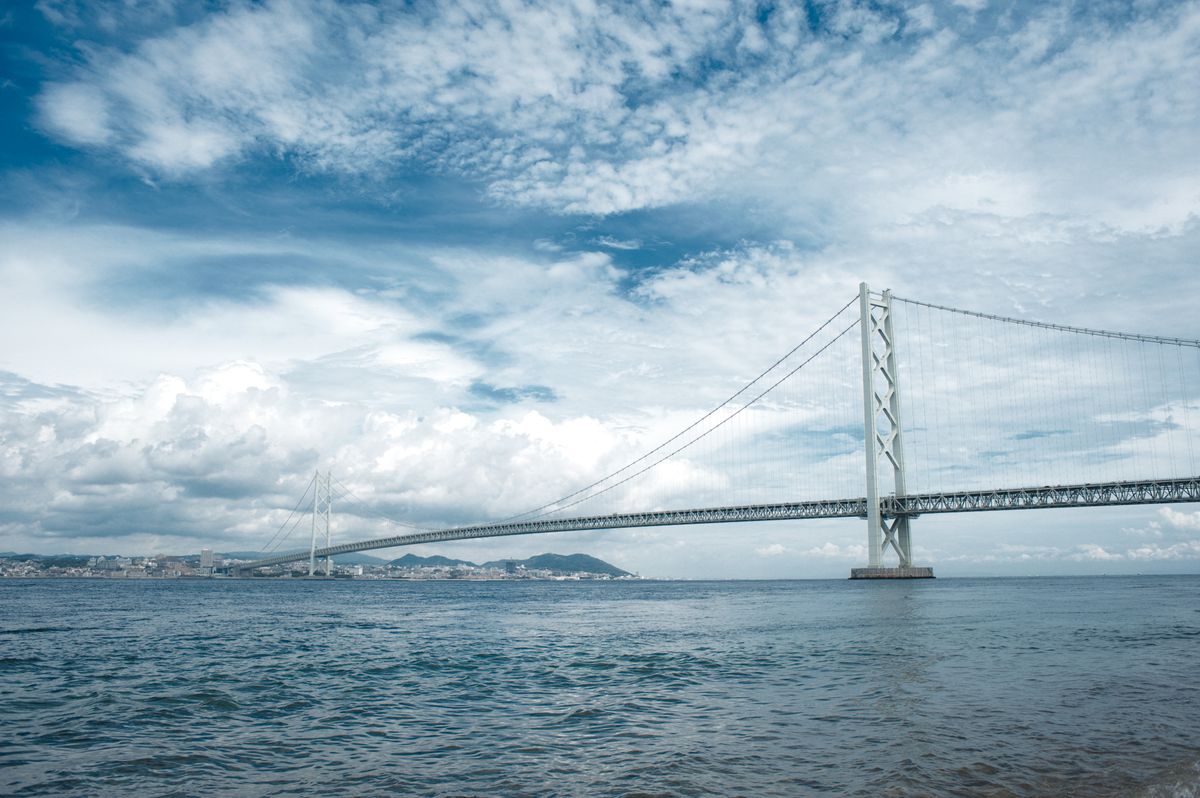
At 3,911 metres, the world's longest suspension bridge. It connects Kobe (and Honshu) to Awaji Island, which connects further to Shikoku via Naruto Bridge.
Why People Move to Hyogo
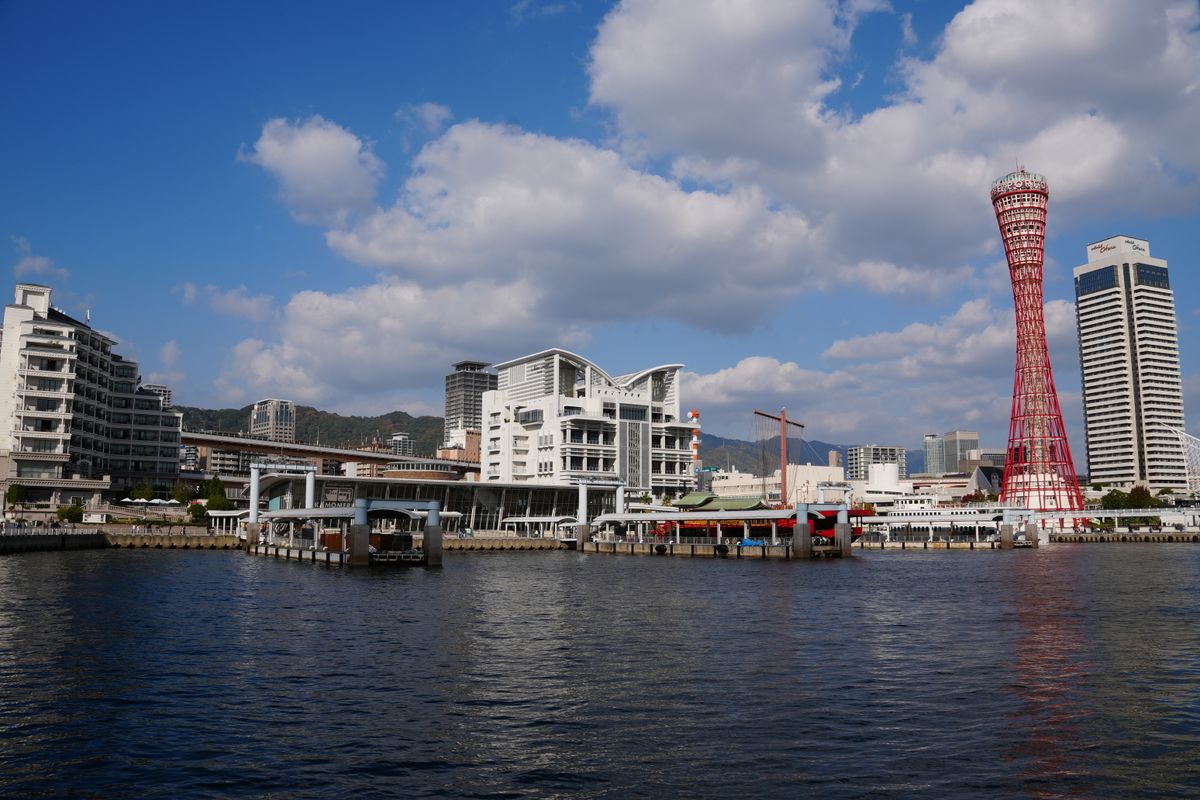
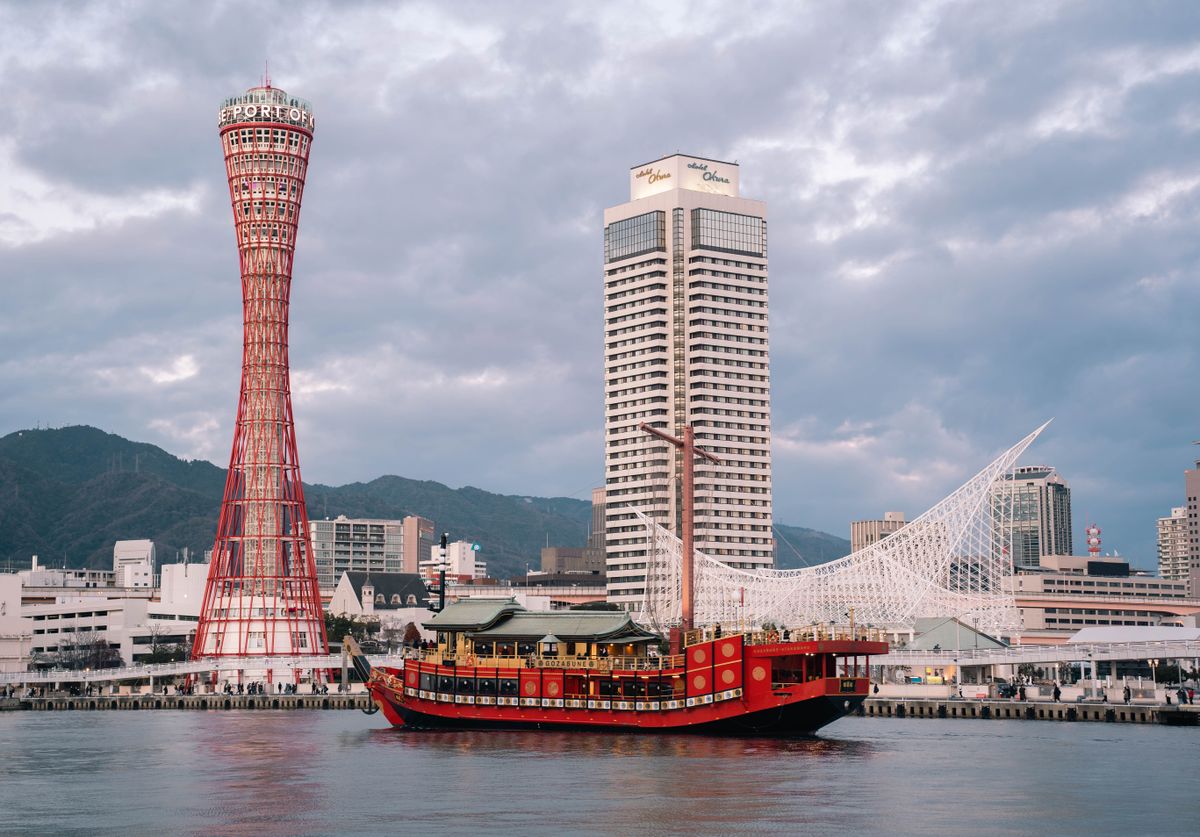
Kobe operates at a pace slightly slower than Osaka — enough hustle to feel alive, enough space to breathe. The waterfront Meriken Park and Harborland are everyday walking destinations rather than tourist set-pieces. In inland towns like Himeji and Kakogawa, life is quieter and property prices are considerably lower. Morning markets, the covered Motomachi shotengai, and the hillside Kitano district give Kobe a browsable, layered quality unlike most Japanese cities.
Kobe is served by JR, Hankyu, Hanshin, and the Port Liner — making it easy to reach Osaka (about 20–30 minutes by express) and Kyoto (about 55 minutes). The Sanyo Shinkansen stops at Shin-Kobe. Himeji is 30–40 minutes from Kobe on the Shinkansen or JR special rapid. Awaji Island requires a bus across Akashi Kaikyo Bridge. Within Kobe, the city loop bus and subway cover most destinations.
Kobe is cheaper than Tokyo and roughly comparable to Osaka for rentals, though premium harbour-view apartments command Osaka-level prices. Himeji and Akashi offer significantly lower property prices with easy Kobe and Osaka commute access. Rural Tamba and northern Hyogo properties are among the most affordable in Kansai.
Residential suburbs between Kobe and Akashi along the JR/Sanyo line. Beach access, good school catchments, and property prices well below central Kobe. A practical choice for families who want Kobe's amenities without the price tag.
Built around the castle, Himeji is a functional mid-size city with a strong local economy and excellent Shinkansen access. Apartments and houses run considerably cheaper than Kobe. The castle grounds are a ten-minute walk from the station — it's a genuinely pleasant commuter city.
Highland agricultural towns in central Hyogo known for black beans, chestnuts, and a growing craft community. Tamba Sasayama-shi has attracted ceramics artists and organic farmers. Properties here are rural but scenic — kominka conversions are common.
Linked to Kobe by bridge, Awaji is technically Japan's largest island in the Seto Inland Sea. It's agricultural and coastal, with onion farming, fresh seafood, and growing remote-worker appeal. Access to Osaka is about 1 hour by bus and train.
Where To Start
Four ways to start in Hyogo
Taste Kobe beef at a restaurant in Kitano or Sannomiya — budget ¥5,000–¥15,000 per person for the real thing. The grading system is strict: certified Kobe beef uses Tajima-gyu born and raised in Hyogo.
Walk the Kitano ijinkan district in the early morning before tour groups arrive — the Western-style houses were built by foreign traders and diplomats in the Meiji era and are still the most atmospheric part of Kobe.
Visit Himeji Castle in cherry blossom season or winter snow — the white tower against either backdrop is one of Japan's best-known views. Book ahead if visiting in April.
Take the Akashi Kaikyo Bridge cable car experience if it runs — alternatively, crossing by bus to Awaji just to stand on the bridge approach at dusk is free and striking.
What Daily Life Looks Like
Food and Drink
Culture and Events
Weekends and Escape
Three Days In Hyogo
A simple first-trip route
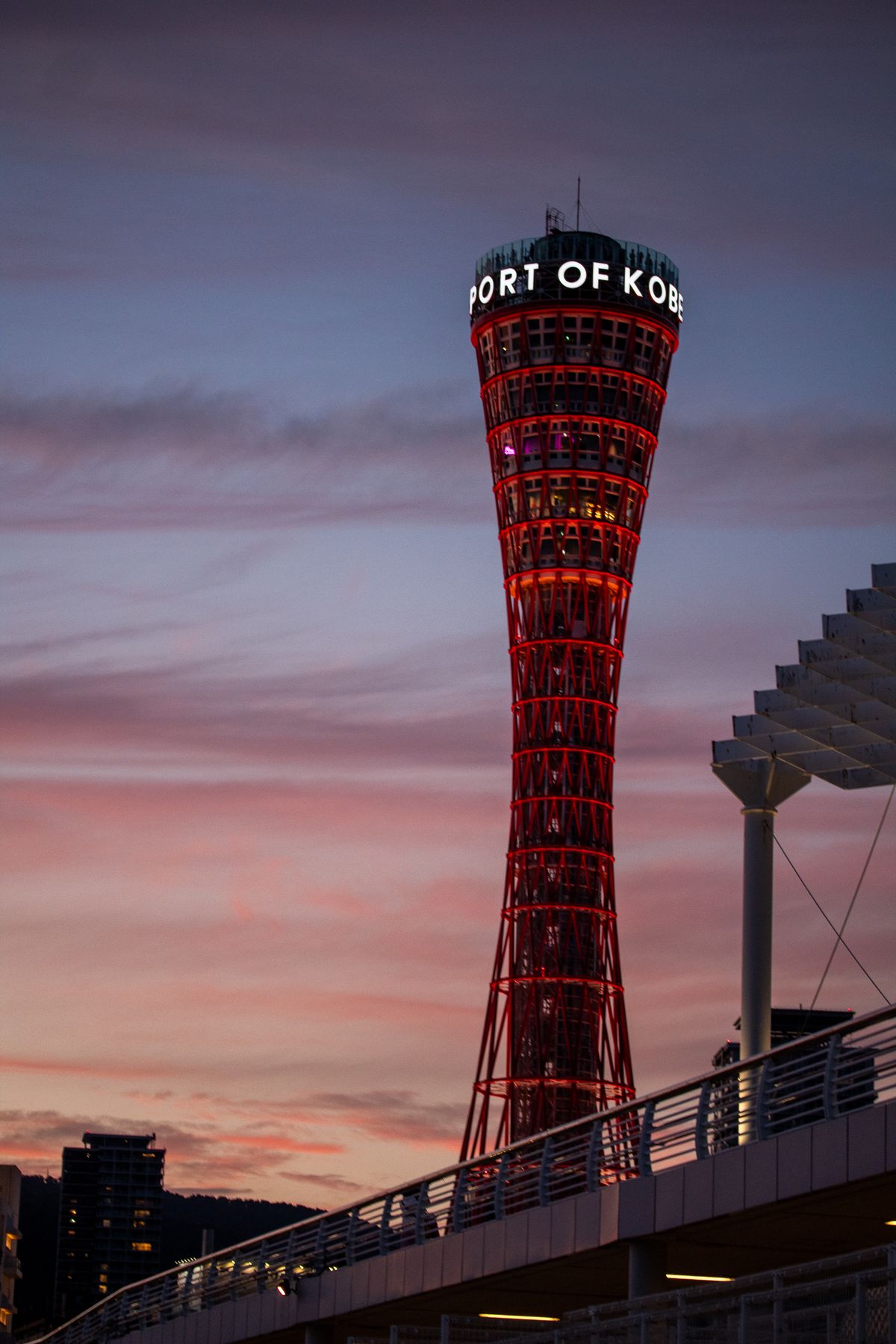
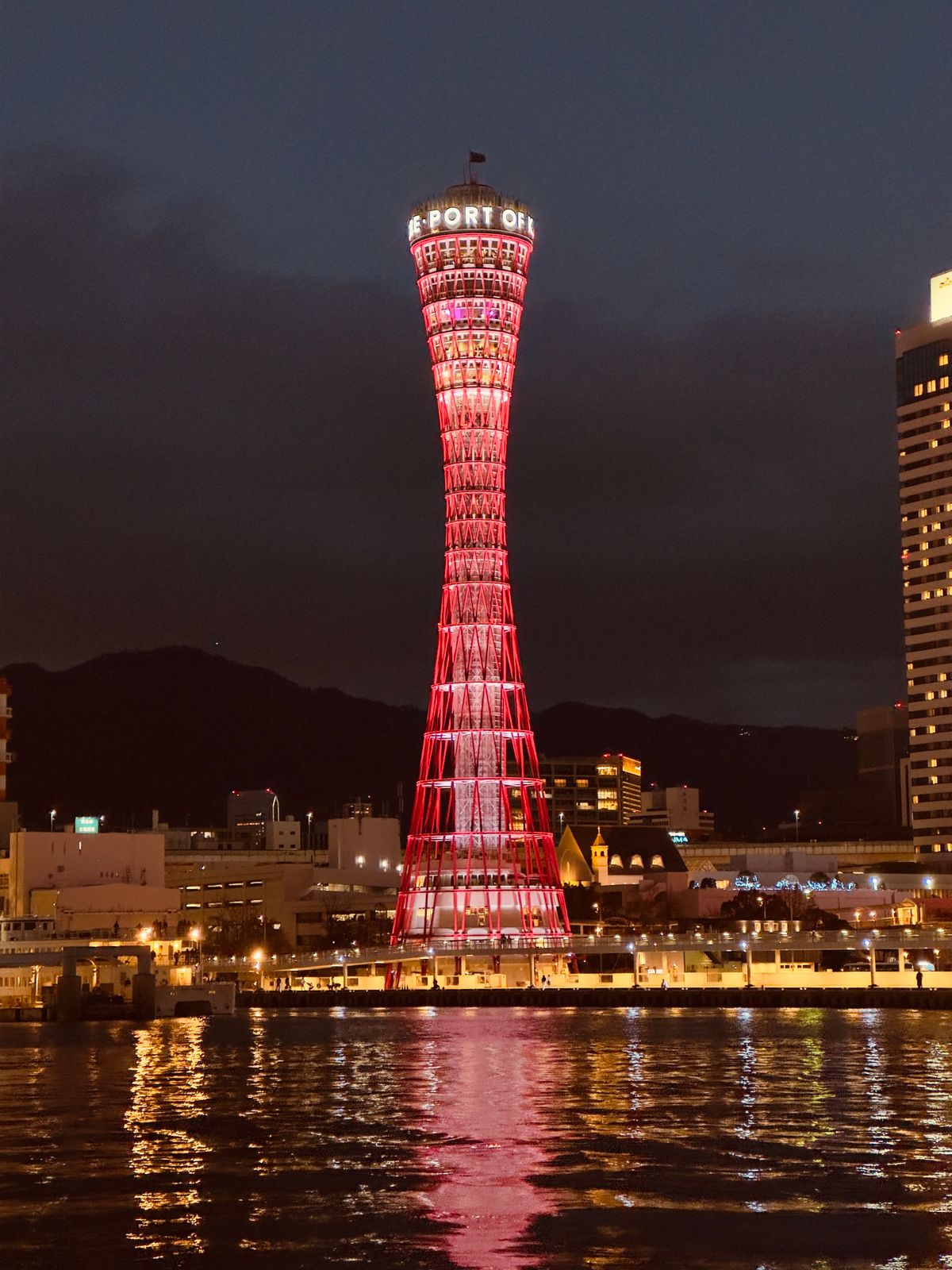
Start at Meriken Park and the Port Tower for the classic Kobe waterfront view. Walk through Harborland for the cruise-ship quay atmosphere, then take the Kitano route uphill through the foreign settlement neighbourhood. Lunch at a Motomachi shotengai restaurant. Afternoon in Nankinmachi (Kobe's small Chinatown) for buta-man steamed buns — Isomura's and Roushouki have the longest lines. Dinner: splurge on Kobe beef teppanyaki in Sannomiya.
Early Shinkansen to Himeji (30 minutes). Himeji Castle opens at 9am — arrive early to beat the crowds. The inner keep is climable and the views of the city and Harima Plain are excellent. After the castle, detour to Koko-en garden next door. Return to Kobe by afternoon and spend the evening in the Nada sake district: Hakutsuru, Kiku-Masamune, and Nihonsakari all have free museums with tasting rooms within walking distance of Nada station.
Two options. Option A: Awaji Island — take the expressway bus across Akashi Kaikyo Bridge to explore Nojima Fault Memorial Park (the 1995 earthquake fault preserved in glass), Awaji's onion farms, and the south coast seafood. Option B: Arima Onsen — one of Japan's three great hot springs, hidden in the hills behind Kobe. The red-water (kinsen) and silver-water (ginsen) baths are distinct from any other onsen in Japan. Easy by bus from Sannomiya.