Yokohama, Kamakura, and the Road to Hakone
Living in Kanagawa
Japan's second-largest city sits 30 minutes from Tokyo — but Kanagawa's real character runs through ancient temple towns, a famous mountain hot-spring resort, and a coast that faces straight out to Mount Fuji.
Japan's medieval capital (1185–1333), now a coastal temple town with 79 temples and shrines, the Great Buddha (Kotoku-in Daibutsu), and a thriving arts community.
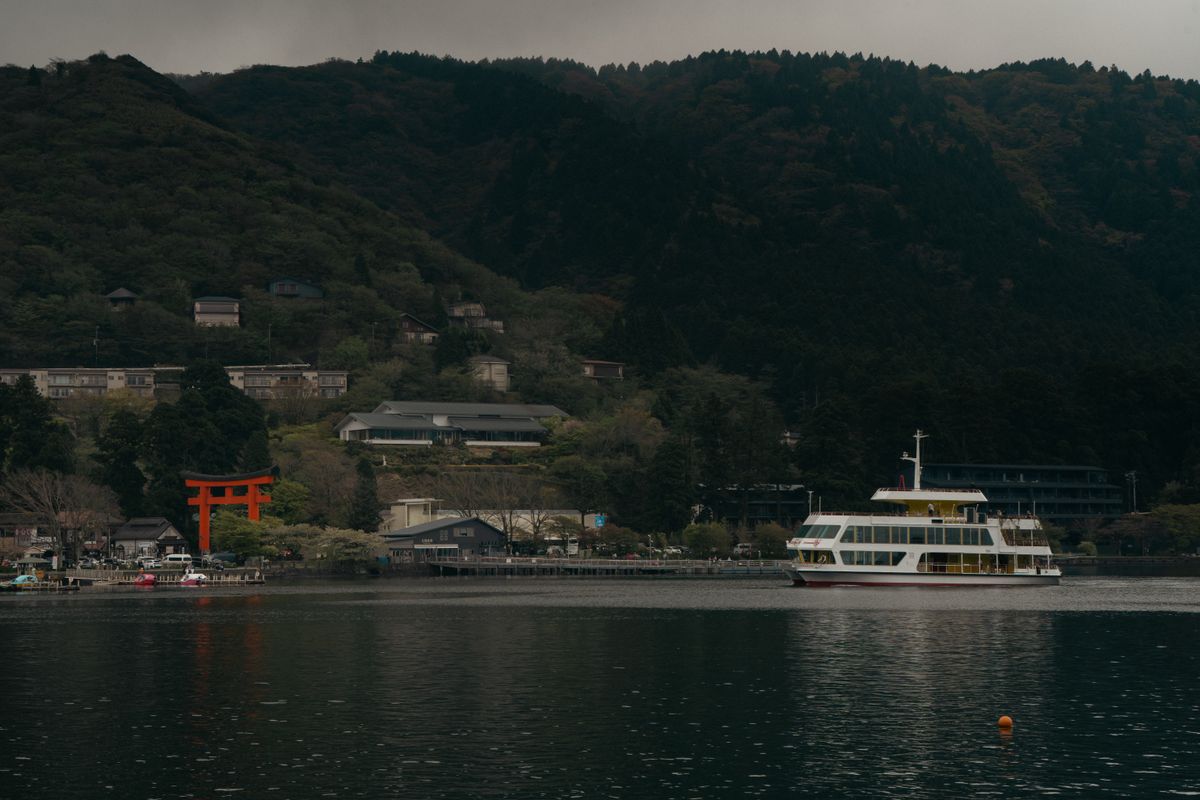
A mountain hot-spring resort at 700m with volcanic vents, Lake Ashi, Mount Fuji views, a world-class open-air sculpture museum, and dozens of onsen ryokan.
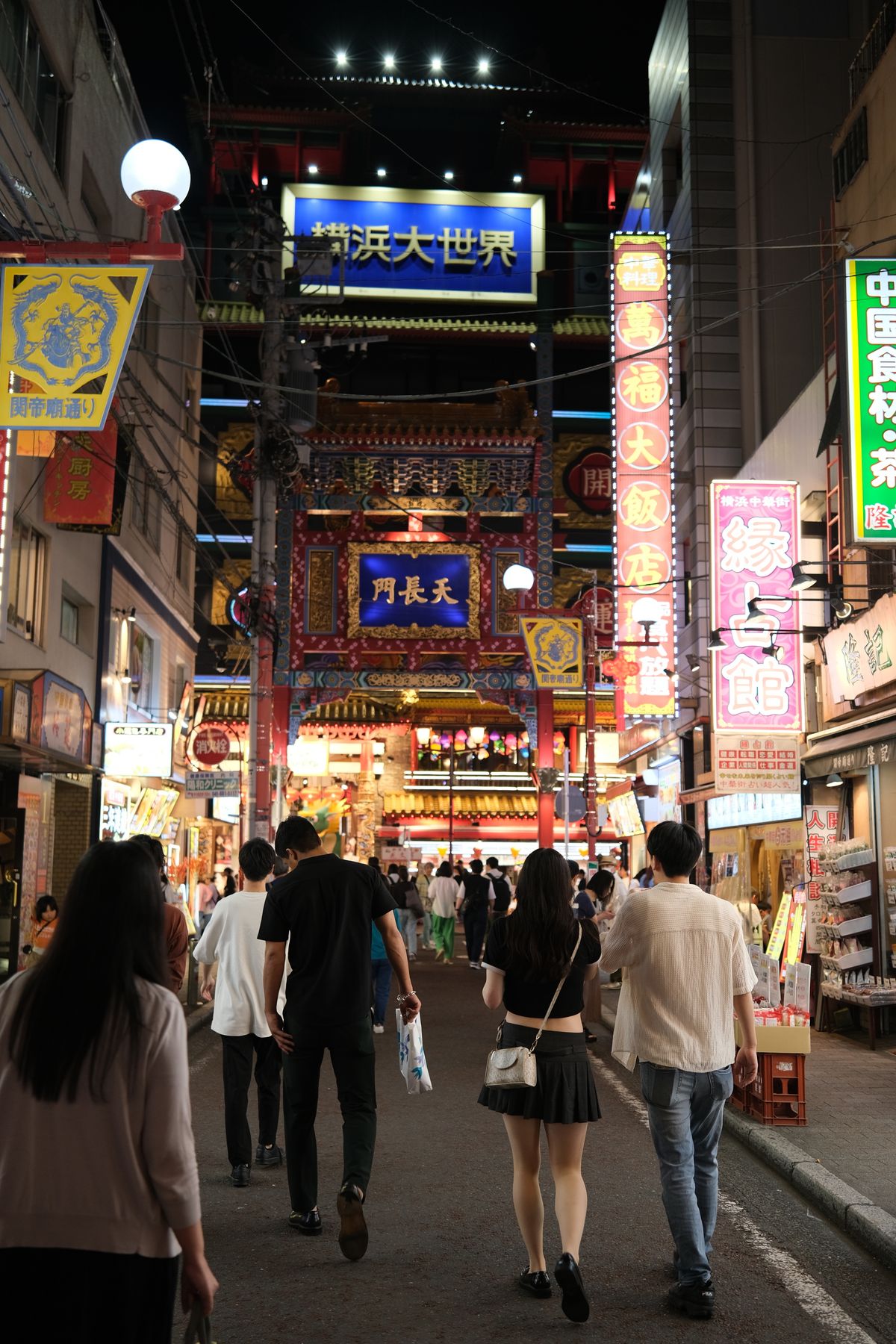
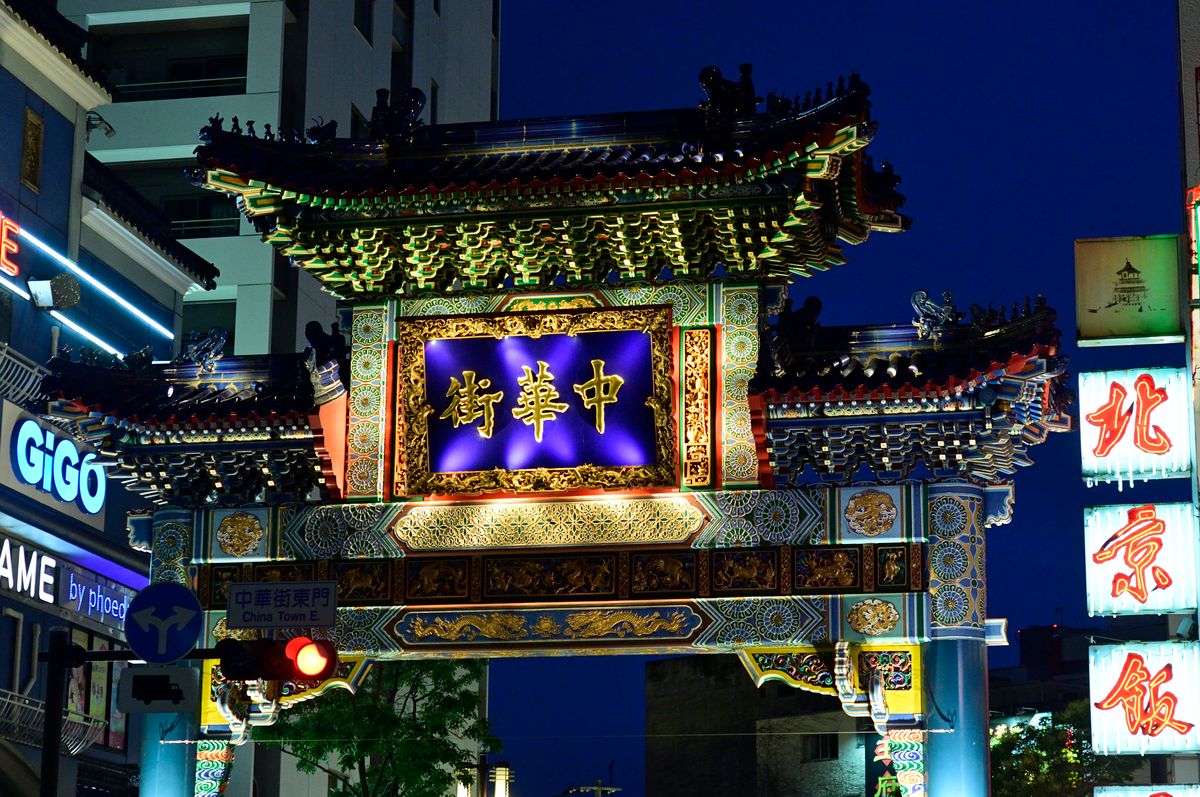
Japan's largest Chinatown with over 600 restaurants and shops — a direct legacy of Yokohama's 1859 treaty port opening and 160+ years of Chinese merchant settlement.
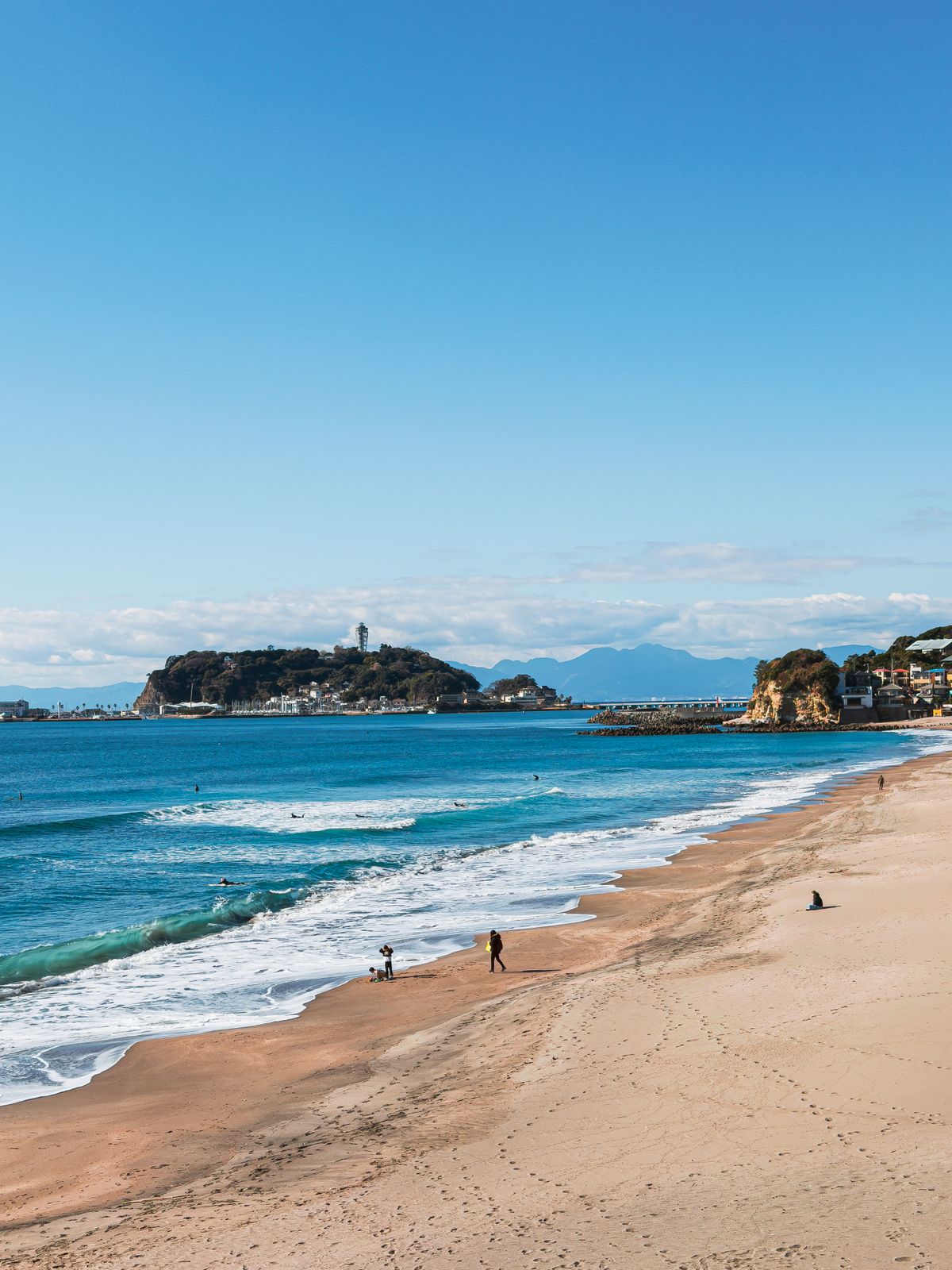
Japan's most famous beach lifestyle corridor — surfing at Kugenuma, shirasu whitebait at Enoshima, and Mount Fuji views from Chigasaki beach on clear winter days.
Why People Move to Kanagawa
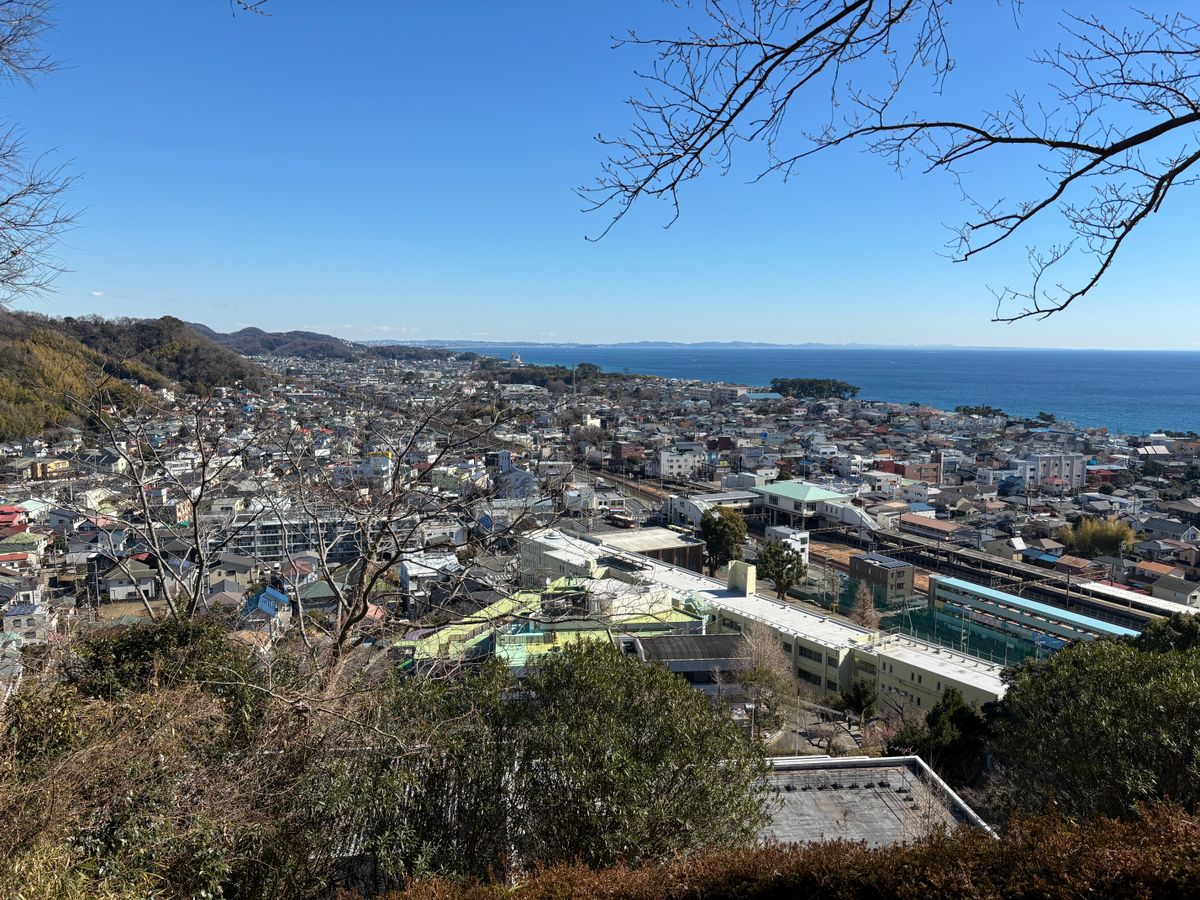
Life in Kanagawa varies sharply by location. Yokohama's Minato Mirai is a polished waterfront district with landmarks, department stores, and one of Japan's best ramen museums. The Motomachi-Chinatown area is genuinely lively day and evening. Kamakura operates at a much quieter pace — a coastal town with a significant artistic and literary history, where morning temple visits are a real daily option. Hayama and Zushi to the south are coastal residential areas prized for their beaches and quiet. The Shonan coast from Fujisawa to Odawara is a surfer and seafood corridor.
Yokohama is 30 minutes from Shinjuku and 18 minutes from Shibuya by Tokyu Toyoko Line. Kamakura is about 1 hour from Tokyo Station on the Yokosuka Line or Shonan-Shinjuku Line. Hakone is 85 minutes from Shinjuku by Romance Car (Odakyu). Within Yokohama, the subway, Minatomirai Line, and JR provide good coverage. The Shonan-Shinjuku Line connects Kamakura directly to Shinjuku, Shibuya, Ikebukuro, and Omiya — making it a genuine commuter option for Tokyo workers.
Yokohama central districts run at Tokyo prices or slightly below. Kamakura is surprisingly expensive for a small town — its reputation attracts premium buyers and renters. Zushi, Hayama, and Miura are considerably cheaper with similar coastal access. Rural inland Kanagawa (Aikawa-machi, Kiyokawa-mura) offers very affordable properties with good access to Yokohama or Tokyo by highway.
One of Japan's most desirable places to live: temple-lined streets, a short beach, cafes and galleries in converted machiya, and a direct commute to Tokyo. Demand keeps prices high, but the daily lifestyle is genuinely exceptional. The Literary Quarter around Yuigahama is particularly atmospheric.
The quieter, more affordable alternative to Kamakura. Both towns sit on the Miura Peninsula facing Sagami Bay, with Mount Fuji visible on clear days. Hayama is known as a sailing and diving destination; the Imperial Villa is here. Zushi is slightly more urban but still relaxed.
A mid-size city at the base of Hakone, Odawara is a practical commuter base with a castle, historic old town, and Shinkansen access (35 minutes to Tokyo, 70 minutes to Nagoya). Properties are significantly cheaper than Yokohama or Kamakura while offering excellent access to both coast and mountain.
Japan's most famous beach-town lifestyle corridor. Chigasaki and Fujisawa are seaside cities with strong surf culture, direct beach access, and express train connections to Shinjuku (about 60 minutes). Popular with creative-industry workers seeking work-life balance close to Tokyo.
Where To Start
Four ways to start in Kanagawa
Take the Romance Car from Shinjuku to Hakone-Yumoto as your introduction to Hakone — the panoramic windows frame the Hakone mountains as you climb. The Odakyu Romance Car runs several times daily.
Walk the Daibutsu Hiking Course in Kamakura rather than the tourist strip — a forested ridge trail from Jomyoji to Kamakura Daibutsu that passes through cedar woodland and smaller moss-covered temples missed by most day-trippers.
Visit Yokohama's Shin-Yokohama Ramen Museum (Shinyokohama Ramen Hakubutsukan) to taste regional styles from across Japan in one basement-level museum. The museum was opened in 1994 and models a 1950s Tokyo/Yokohama streetscape inside.
For Mount Fuji views, position yourself at Lake Ashi in Hakone on a clear winter or spring morning — the lake torii gate with Fuji behind it is one of Japan's most photographed scenes. Alternatively, Chigasaki Beach at sunrise in February can produce extraordinary views.
What Daily Life Looks Like
Food and Drink
Culture and Events
Theme Parks
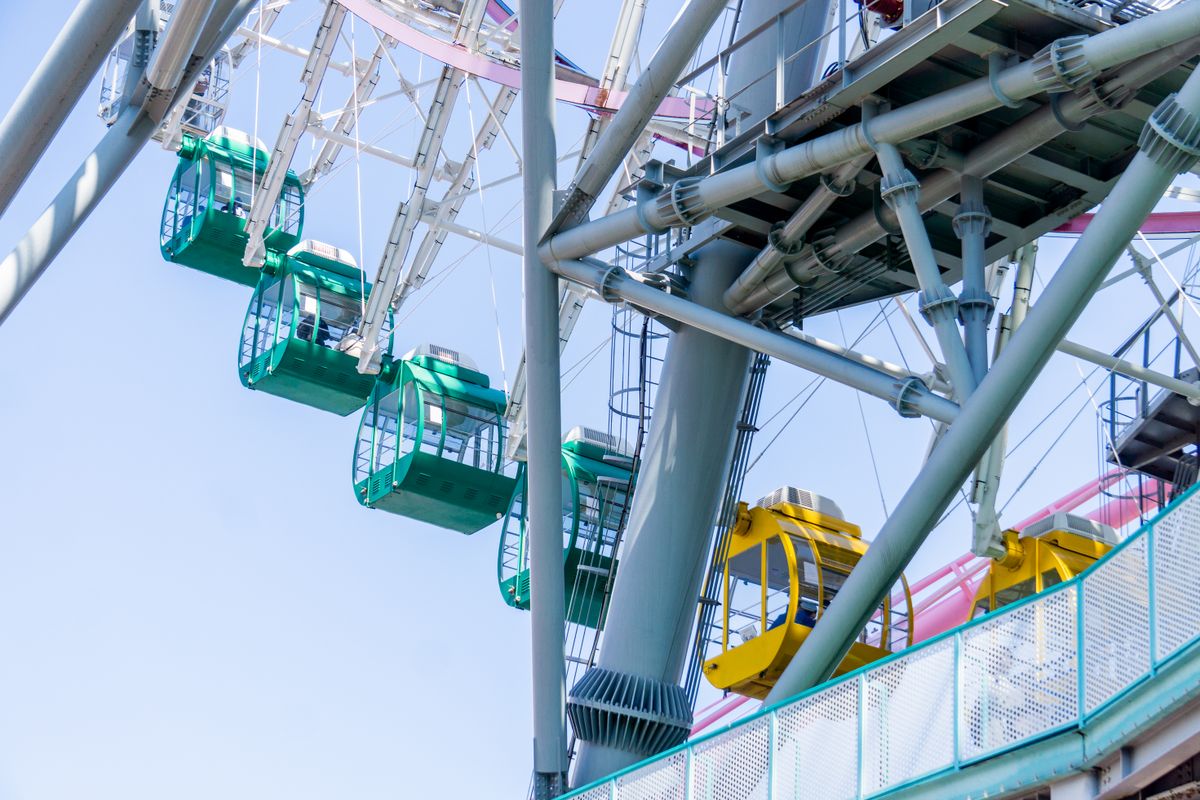
Yokohama Cosmo World sits at the heart of Minato Mirai, Yokohama's redeveloped waterfront district, and uniquely charges no admission fee — you pay per ride. The centrepiece is the Cosmo Clock 21, a 112.5m ferris wheel that was the world's largest when it opened in 1989 and has been the defining silhouette of the Yokohama skyline ever since. At night the wheel cycles through colour displays visible from across the harbour and from the upper floors of hotels in Kannai. Combining a few rides with dinner along the Yokohama Red Brick Warehouse waterfront makes this an easy, low-pressure evening for families or couples alike.
Hakkeijima Sea Paradise takes a different approach: it merges a full-scale aquarium with a seaside amusement park on an artificial island in Yokohama's Kanazawa Ward, accessible by the Seaside Line monorail in about 15 minutes from Shin-Sugita. The four aquarium pavilions cover everything from a dolphin stadium to tropical reef tanks and an interactive touch pool, while two roller coasters run along the breakwater with open-ocean views. The standout attraction is Aqualine, a ride where open cars travel through transparent underwater tubes with sea life visible on all sides — a combination you won't find at a conventional theme park or a standalone aquarium. Admission separates the aquarium and rides, so it can be customised for younger children or thrill-seekers.
For a looser day of Yokohama Bay entertainment, the Sky Duck amphibious bus tours — which travel by road through Minato Mirai before driving directly into the harbour — run from near Cosmo World and are especially popular with children. Yokohama's waterfront, Chinatown, and Motomachi shopping street are all within walking distance of Cosmo World, making the entire Minato Mirai area easily worth a full day.
Weekends and Escape
Three Days In Kanagawa
A simple first-trip route
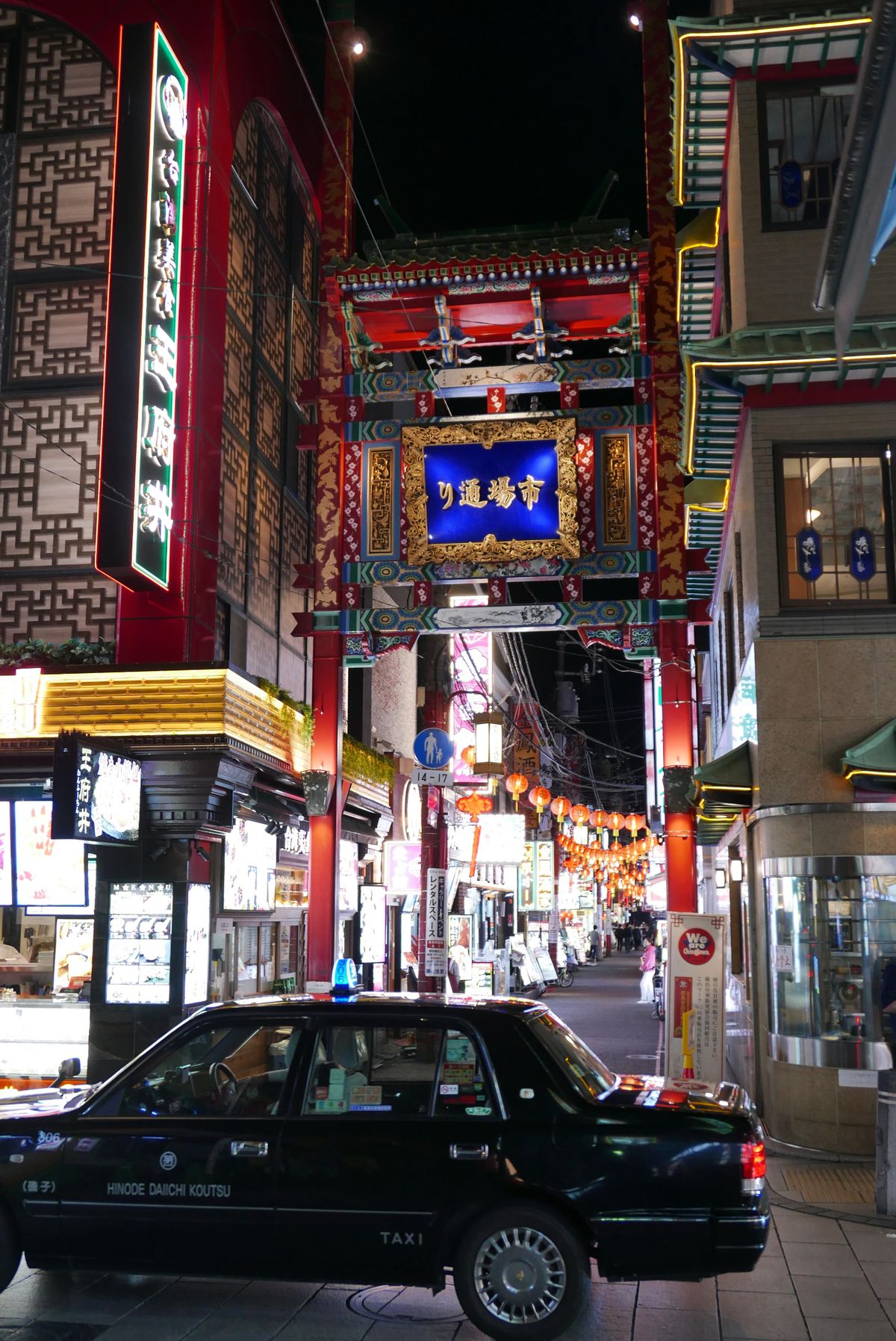
Start at Minato Mirai: the Cosmo Clock 21 ferris wheel area, Red Brick Warehouse, and the harbor walk to Yamashita Park. Lunch at Yokohama's Chinatown (Nankinmachi) — this is Japan's largest Chinatown with over 600 shops and restaurants. Siu mai and roast duck at Heichinrou (opened 1884) or Manchinro. Afternoon: Yamate hillside bluffs overlooking the bay and the European-style residences of the old foreign settlement. Evening: Minato Mirai tower views from the Landmark Tower Sky Garden (296m).
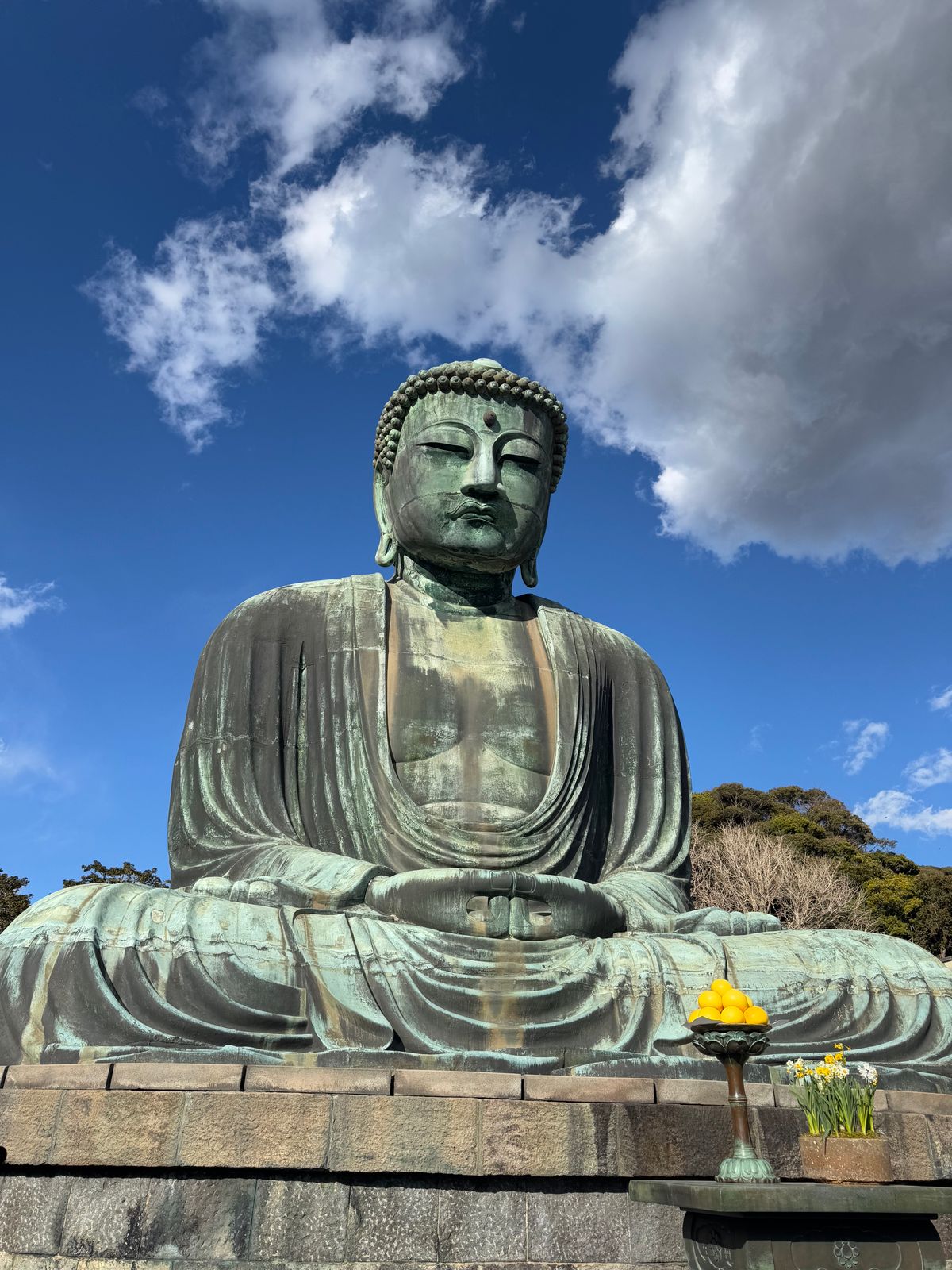
Morning train to Kamakura (1 hour from Shinjuku). Begin at Engakuji temple just outside the station — one of Japan's top five Rinzai Zen temples. Walk the Daibutsu Hiking Trail through cedar forest to the Great Buddha at Kotoku-in (11.3 metres, cast in 1252, open for interior entry). Lunch in Komachi-dori covered arcade. Afternoon: Tsurugaoka Hachimangu shrine, then Yuigahama beach for a coffee with the Pacific in view. Enoshima day trip option (add 40 minutes): the island has a cave shrine, sea candles lighthouse, and excellent fresh shirasu (whitebait) rice bowls.
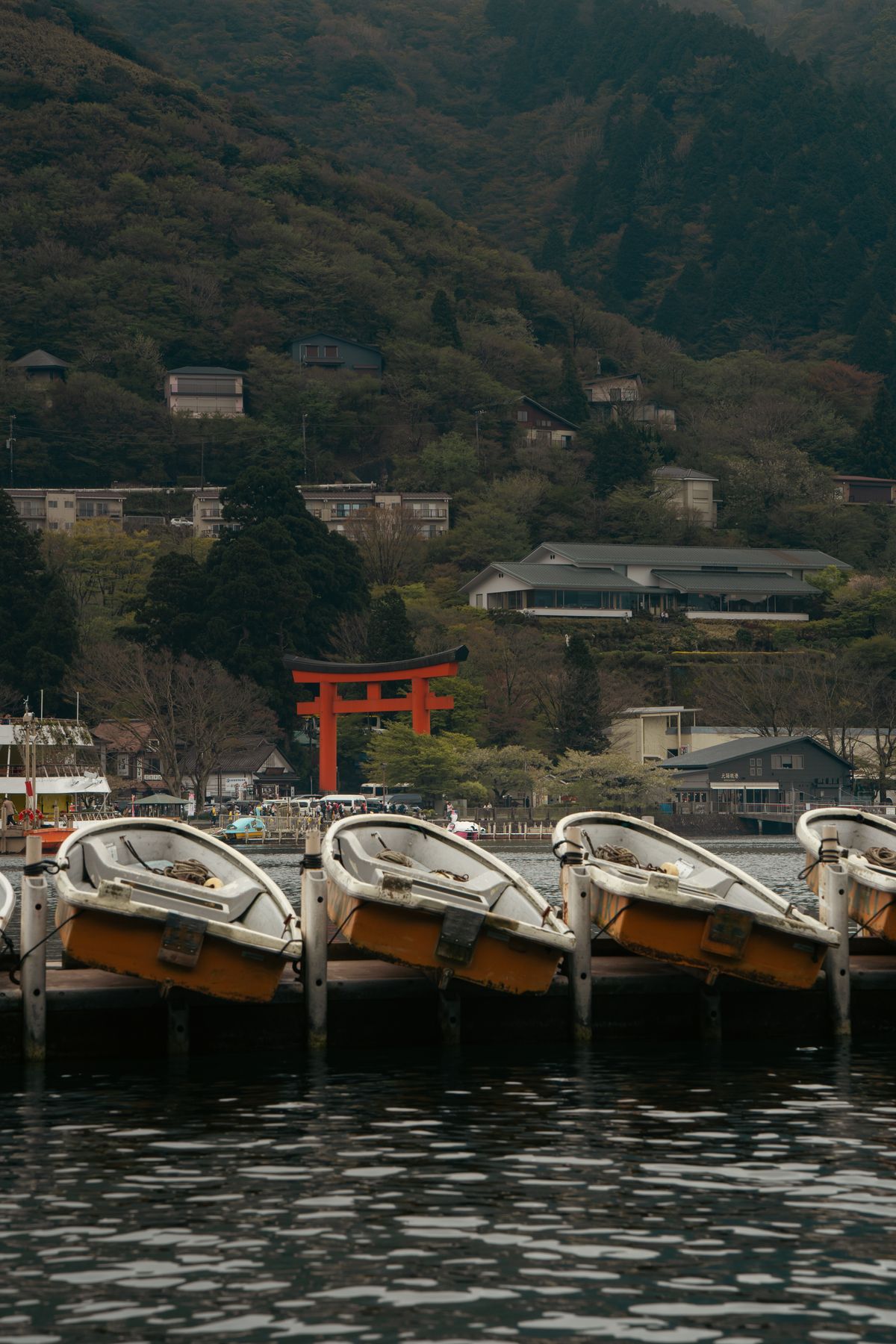
Romance Car from Shinjuku to Hakone-Yumoto (85 minutes). Take the Hakone Tozan Cog Railway up the mountain, then the ropeway over Owakudani's volcanic vents (dramatic sulphur clouds, black eggs boiled in the vents — said to add 7 years to your life). Continue by ropeway to Lake Ashi — on a clear day, Mount Fuji stands directly behind the Hakone Shrine torii gate. Board the pirate ship ferry across Lake Ashi to Moto-Hakone. Visit the Hakone Open-Air Museum (Hakone Chokoku-no-Mori) if time allows: 120 sculptures in mountain gardens including a full Picasso pavilion. Return by Odakyu Romance Car in the evening.